Millennium Products
Wearable Red Light Therapy Ear & Nose Device
Wearable Red Light Therapy Ear & Nose Device
Couldn't load pickup availability
How Red Light Therapy to the Ears & Nose May Support Brain Wellness
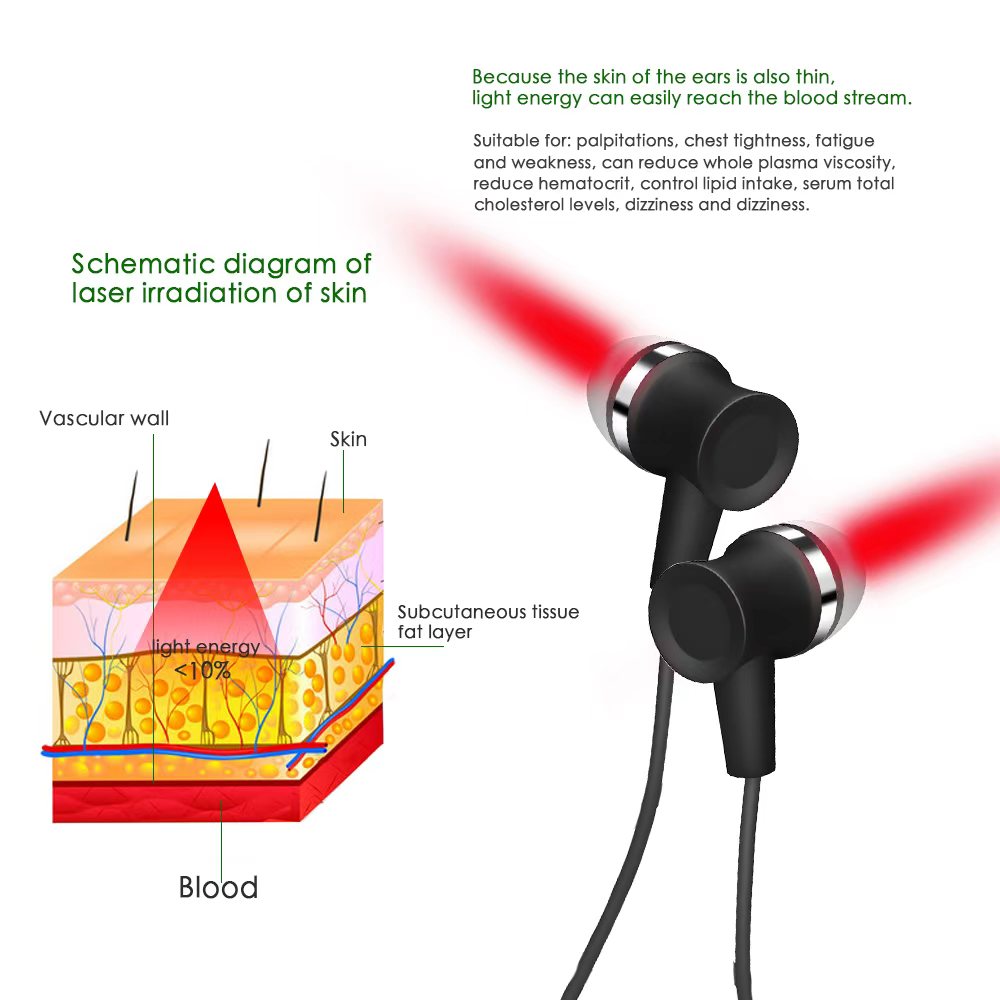
Red light therapy used in the ears and nose is a gentle, non-invasive approach often referred to as photobiomodulation (PBM). It uses red light wavelengths (typically around 630–660 nm) and is designed to bring light closer to important blood vessels and nerve pathways—without needing to pass through thick skull bone.
This targeted placement allows light to interact with the body in areas naturally closer to the brain.
Intranasal Red Light (Nose to Brain Support)
The inside of the nose is one of the most accessible areas of the body for light therapy:
-
Thin, highly vascular tissue
The nasal cavity has a very thin tissue barrier and a rich blood supply, allowing light to interact quickly with circulating blood. -
Supporting circulation to the brain
Red light may help improve cellular activity in red blood cells and blood vessel lining, supporting healthy oxygen delivery and circulation. -
Nitric oxide release
Photobiomodulation can encourage the release of nitric oxide, a molecule that helps blood vessels relax and promotes healthy blood flow.
Why people use it:
Users often choose intranasal red light therapy as part of a wellness routine for:
- Mental clarity
- Energy support
- Mood balance
Research in this area is still emerging, but early findings are encouraging.
Typical use:
- Wavelengths: ~630–660 nm
- Sessions: Around 30 minutes, 2–5 times per week
Trans-Ear Red Light (Ear Canal Support)
The ear canal provides another natural pathway closer to brain tissue:
-
Direct access point
The auditory canal allows light to be delivered near areas associated with the temporal region of the brain. -
Cellular & nerve support
Red (and sometimes near-infrared) light may support mitochondrial function in nerve cells and help calm localized inflammation.
Why people use it:
- Cognitive wellness support
- Relaxation
- Ongoing research interest in tinnitus support (results vary)
Typical use:
- Wavelengths: ~650–660 nm (some devices also include near-infrared)
- Sessions: About 30 minutes per ear, 3–5 times per week
What’s Happening at the Cellular Level
At a basic level, red light therapy works by interacting with mitochondria—the “energy centers” of your cells.
Light is absorbed by a key enzyme (cytochrome-c oxidase), which may help:
- Increase cellular energy (ATP)
- Reduce oxidative stress
- Support healthy blood flow and oxygen delivery
Steady Light Is Best
For ear and nose applications, steady, continuous light is recommended.
Flashing or pulsed light hasn’t shown clear added benefits for brain wellness and may feel uncomfortable for some users.
What to Expect
Short-term:
- Gentle warmth
- Relaxation
- Mild alertness
With consistent use:
- Some users report improved focus or mood over time
Important note:
This is a wellness tool, not a cure. Results vary from person to person.
Safety & Comfort Tips
- Follow recommended session times
- Stop use if you experience discomfort, dizziness, or headaches
- Avoid direct eye exposure
If you have a neurological condition or take medications that increase light sensitivity, it’s best to consult a healthcare professional before use.
Share